Comprehensive Guide to Ladder Selection, Safety, and Maintenance
Introduction #
Selecting the right ladder is essential for safety, efficiency, and durability in both household and industrial settings. This guide provides an in-depth look at ladder types, safety standards, maintenance practices, and key considerations for choosing the most suitable ladder for your needs.
Main Product Categories #
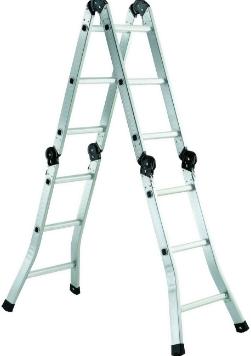 Folding Aluminum Ladder
 Stepladder
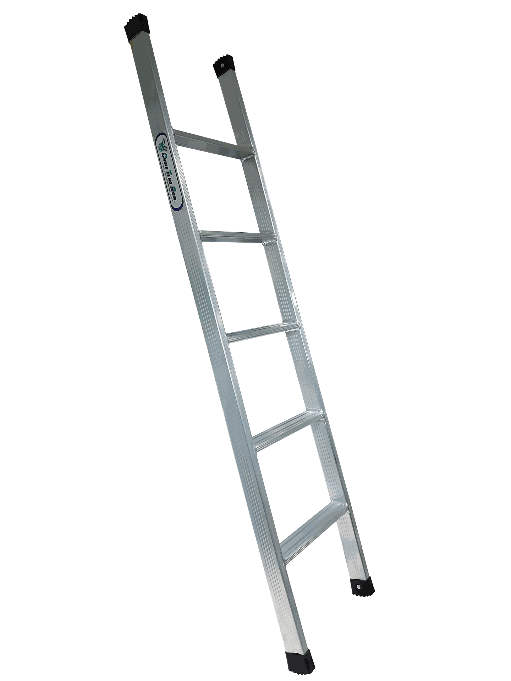 Aluminum Straight Ladder
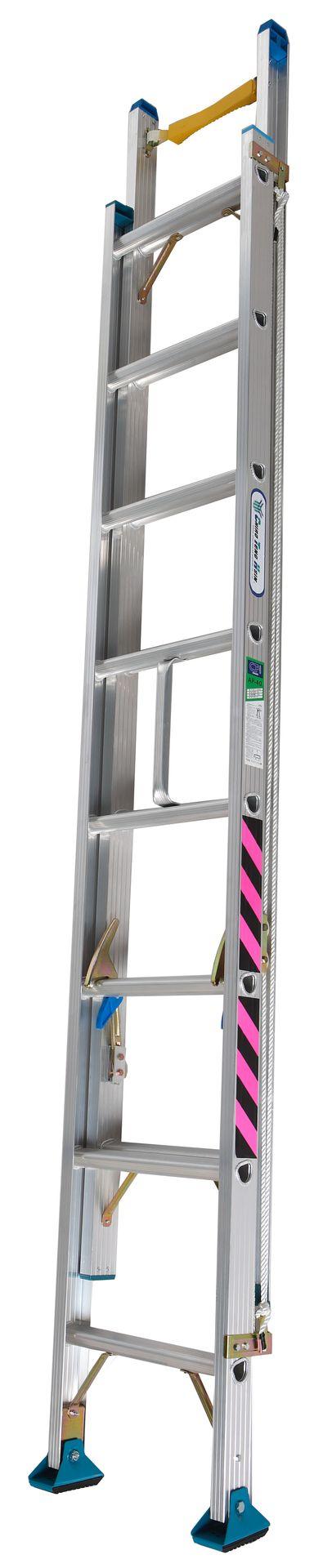 Aluminum Extension Ladder
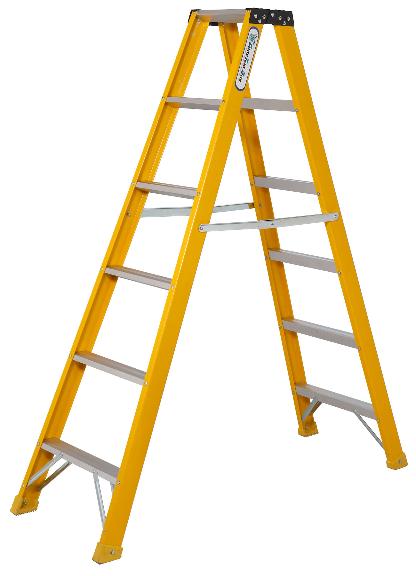 Fiberglass Ladder
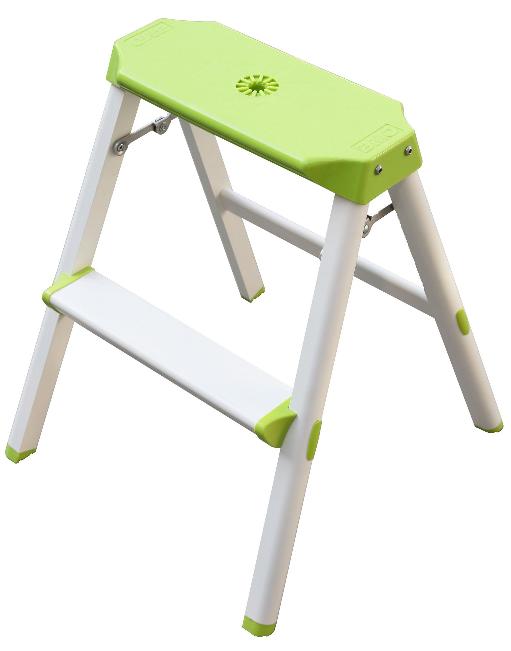 Household Stepladder
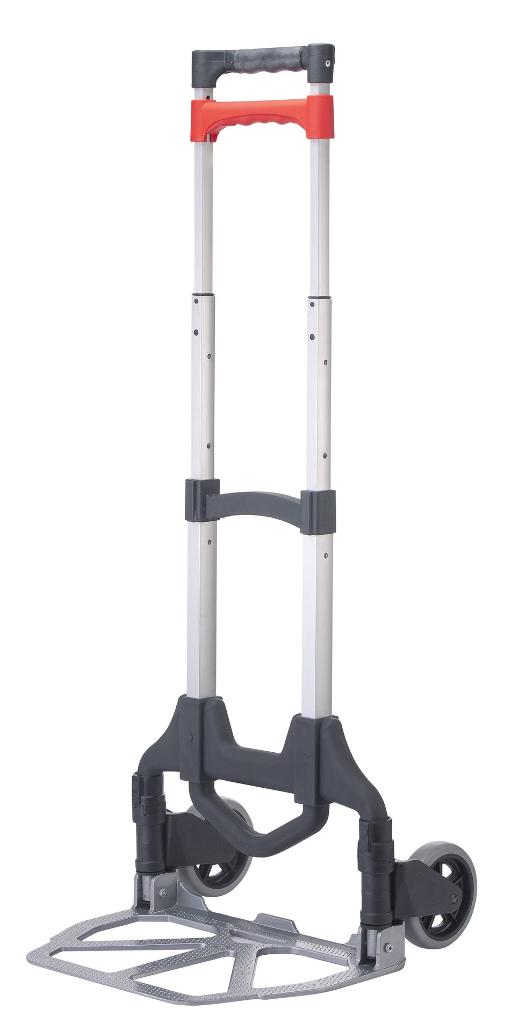 Aluminum Folding Hand Truck
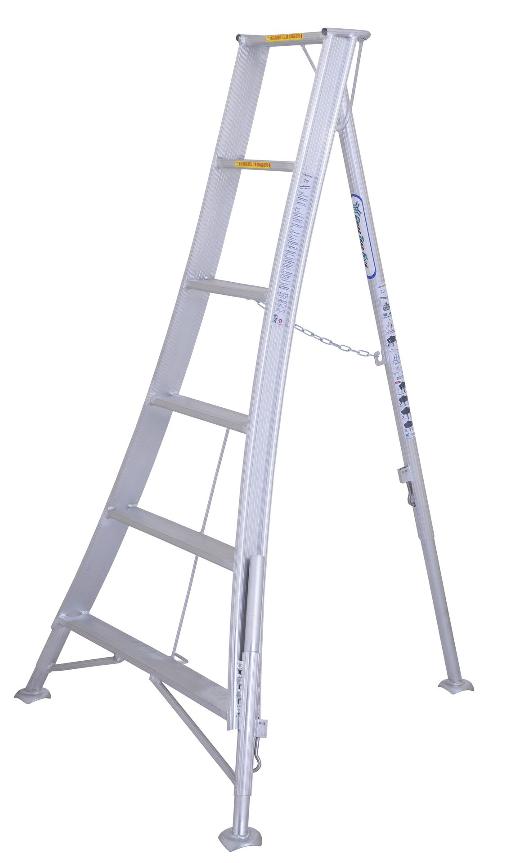 Gardening Ladder
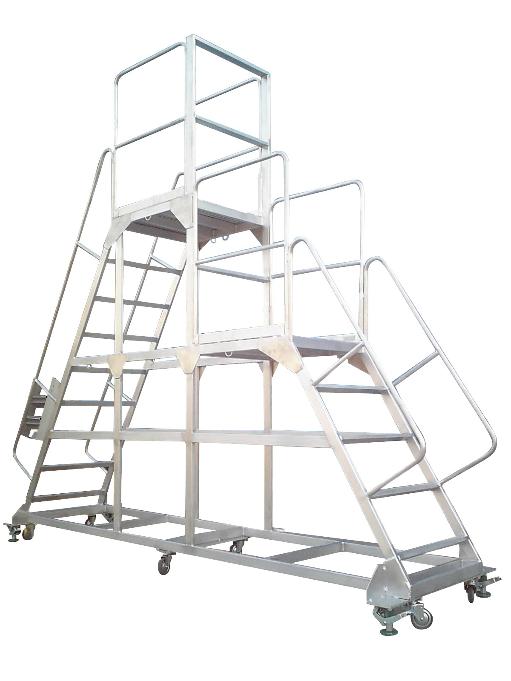 Special Ladder
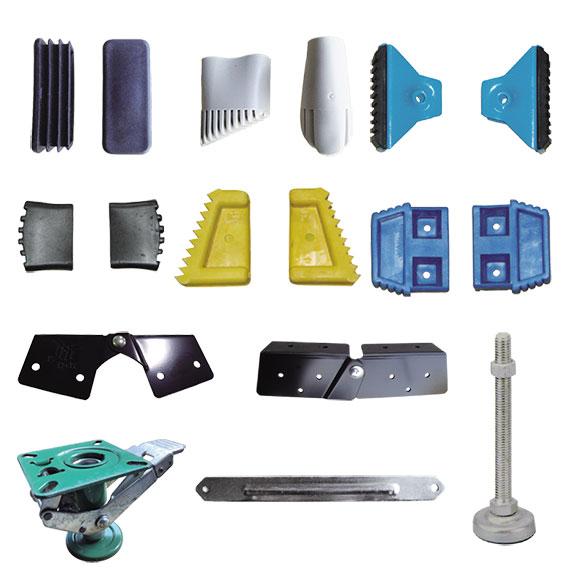 Ladder Spare Parts
 International Products
Commitment to Quality and Safety #
Chiao Teng Hsin specializes in manufacturing aluminum and fiberglass ladders, offering a wide range of products from lightweight to heavy-duty models. All products are tested by SGS and the factory is Japan SG-certified, ensuring compliance with international safety standards. OEM/ODM customization services are available to meet specific customer requirements.
Product Highlights #
- Folding Ladder: Adaptable to various terrains.
- Stepladder: Constructed from ultra-strong aluminum alloy.
- Aluminum Straight Ladder: Enhanced safety with double strength.
- Aluminum Extension Ladder: Ergonomic design for safe and easy operation.
- Household Stepladder: Space-saving and easy to operate.
- Aluminum Folding Hand Truck: Ready for immediate use, no installation required.
- Gardening Ladder: Stable, visually appealing, and safe.
- Special Ladder: Custom specifications available.
Why Choose CTH Ladders? #
- Safety: All ladders are designed with user safety as a top priority.
- Trust: Products are certified and tested to meet rigorous standards.
- Long-Term Reliability: Durable construction ensures lasting performance.
Lightweight Agricultural Ladder (KGSC) #
- 30% lighter than comparable products.
- 300% increased weight capacity.
- Adjustable three-leg design for stability on any surface.
- Eiffel Tower-inspired design for aesthetics and strength.
- 80mm tread width for secure footing.
- Choice of orchard spike feet or gardening base feet.
Ladder Selection: Aluminum vs. Fiberglass #
Aluminum Ladders #
- Made from treated aluminum alloys for strength and durability.
- Lightweight, affordable, and resistant to weathering.
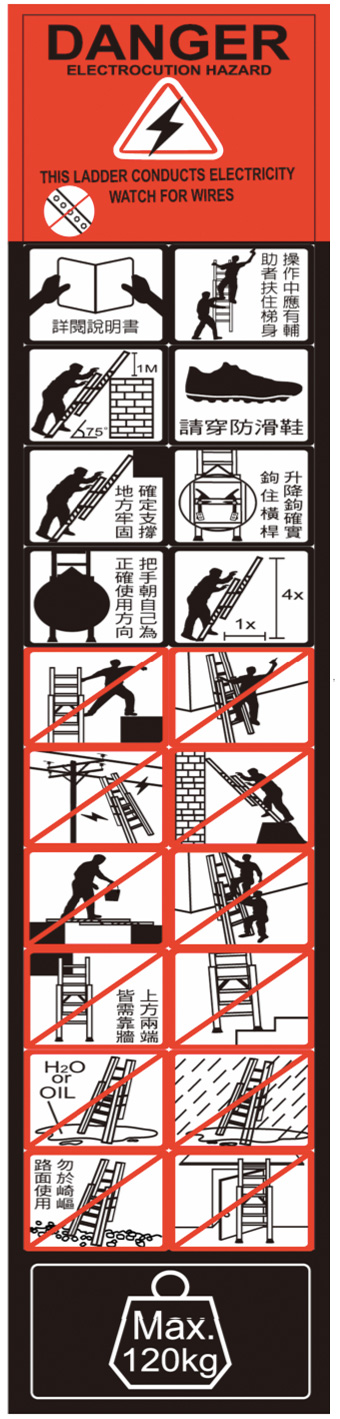
- Conduct electricity—should not be used near electrical sources.
Fiberglass Ladders #
- Constructed from interwoven glass fibers, non-conductive.
- Heavier and more expensive than aluminum.
- Preferred for electrical work and environments with electrical hazards.
Both types offer similar strength and stability, but the choice depends on the intended application and safety requirements.
International Ladder Standards #
- British Standard (BS 2037, BS 1129, BS 7377): Uses “Duty rating” based on frequency and conditions of use.
- European Standard (EN 131): Uses “Maximum static vertical load”.
| Class | Use | Duty Rating | Max Static Load |
|---|---|---|---|
| 1 | Industrial | 130kg | 175kg |
| EN131 | Light Trade | 115kg | 150kg |
| 3 | Domestic/DIY | 95kg | 125kg |
For professional or frequent use, select ladders that meet at least EN 131 standards for enhanced safety and longevity.
How to Choose the Right Ladder #
- Assess the Environment: Determine if the ladder will be used indoors, outdoors, or in industrial settings.
- Estimate Working Conditions: Consider the required height, load capacity, and frequency of use.
- Select the Appropriate Type: Choose from folding, straight, extension, or special-purpose ladders based on your needs.
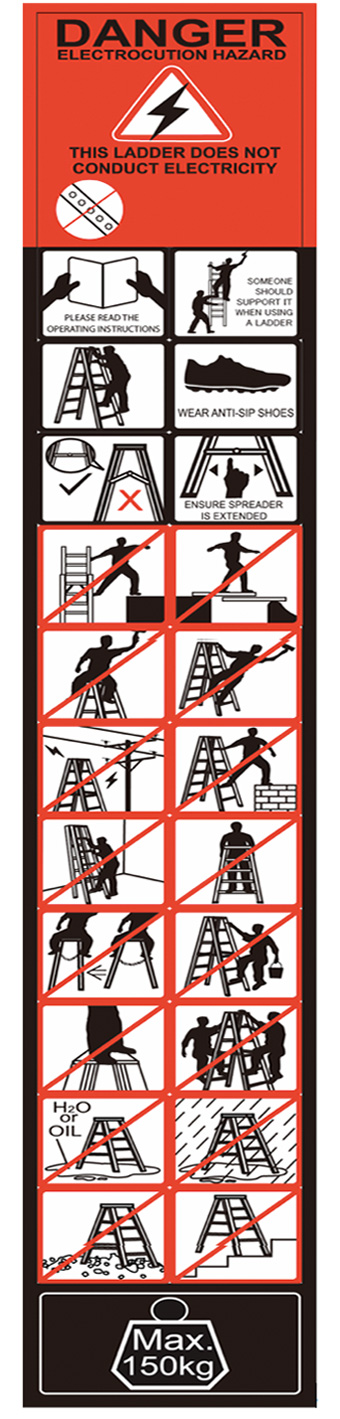
- Check Safety Features: Ensure the ladder has clear usage instructions, safety reminders, and third-party certifications.
Ladder Maintenance Tips #
- Regularly clean the ladder to prevent chemical corrosion.
- Inspect connecting parts and apply lubricating oil as needed.
- Replace any damaged or misshapen parts promptly.
- Store ladders indoors and avoid exposure to harsh environments.
- Always check ladder feet and rungs before use.
- Do not use ladders with broken rungs or unstable footing.
- For agricultural tripod ladders, ensure feet are securely fixed in the soil.
Special Maintenance for Folding and FRP Ladders #
- Folding Ladders: Lubricate joints before use and store indoors.
- FRP Extension Ladders: Inspect straps, hooks, and pulleys regularly; replace worn parts immediately.
Safety Reminders #
- Never use aluminum ladders near electrical sources.
- Mark and repair broken ladders without delay.
- Use ladders only on stable, dry surfaces.
- Select the correct ladder height for the task; do not improvise with boxes or chairs.
Key Points for Safe Ladder Selection #
- Detailed usage instructions and safety reminders must be included.
- Maintenance and storage guidance should be provided.
- Products must pass impartial third-party testing.
- Manufacturer’s name and logo should be clearly displayed.
- Weight capacity must be indicated.
- Clear warnings about electrical hazards for aluminum ladders.



Further Resources #
- How to choose aluminum ladders?
- Ladder Operation and Safety Awareness Video
- Aluminum Ladders vs. Fiberglass Ladders: What’s the Difference?
- International Ladder Standard
- How to maintain your Folding Ladder by yourself?
- How to keep the FRP extension ladder in good condition
- How to keep the folding ladder joints in good condition
- How to use folding ladder series
Contact Information #
For inquiries or custom ladder solutions, please reach out via the Contact Us page.
- Address: No. 83, Yiya Ln., Yixing Vil., Xiushui Township, Changhua County 504002 , Taiwan (R.O.C.)
- Email: cth.ladder@msa.hinet.net
- Phone: +886 (04) 7620357
- Facebook | Instagram | LinkedIn | YouTube | Twitter | LINE